A First-Timer's Guide to Buying a Used Diesel Generator in Tamil Nadu
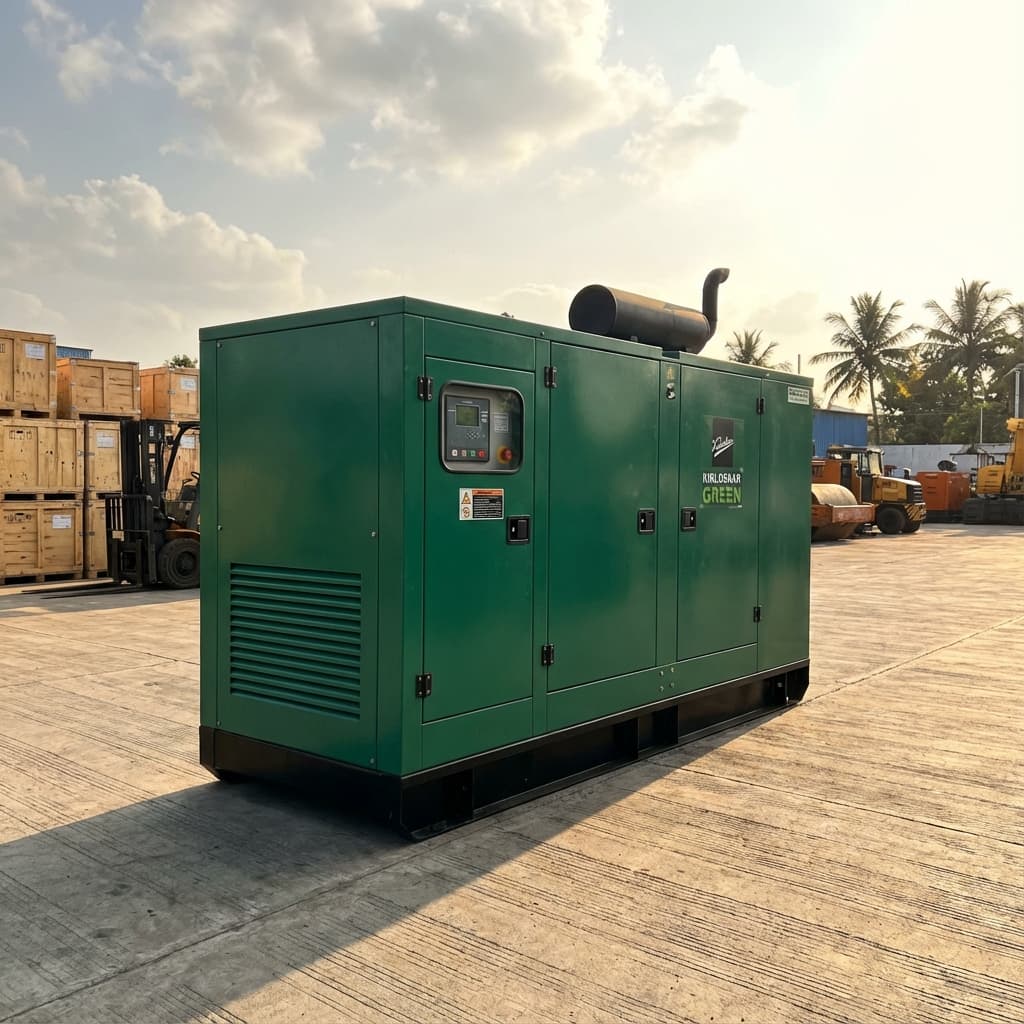
A First-Timer's Guide to Buying a Used Diesel Generator in Tamil Nadu
Introduction: Powering Your Business Smartly
Making the right call on a generator is one of the smartest first moves for your business, saving you capital and getting you operational faster. A second-hand diesel generator offers a Cost-Effective Entry into securing reliable power without the high investment of a new unit, and it allows for Immediate Production, getting your operations running as soon as it's installed.
This guide is designed to walk you through five simple steps, transforming you from a curious learner into a confident buyer ready to make a reliable and intelligent purchase.
1. Step 1: Assess Your Power Needs (kVA)
Before you look at a single machine, you must understand your power requirements. A generator's output is measured in kVA (kilo-volt-ampere). Think of kVA as the total power the generator can supply. Matching this number to your business's needs is the most critical first step to avoid buying a unit that is too weak or unnecessarily powerful.
Different industries have different power demands. Below is a table to help you estimate the kVA range you might need based on common industrial applications across Tamil Nadu.
| Industry / Application | Typical kVA Range |
|---|---|
| Small-scale Textile Processing (Erode) | 5 kVA - 250 kVA |
| Large-scale Textile Mills (Coimbatore) | 125 kVA - 1500 kVA |
| Agricultural Pumps & Small Workshops | 10 kVA |
| Automotive & Manufacturing (Chennai) | 30 kVA - 2000 kVA |
Once you have a clear idea of the power you need, the next step is to focus on brands known for their durability and performance.
2. Step 2: Identify Trusted Brands in the Market
In the second-hand market, a trusted brand name is your first sign of quality. Well-known manufacturers build engines designed for a high operational life with low maintenance, which is exactly what you want in a used unit. Based on what is commonly available and trusted in the South Indian market, keep an eye out for these brands:
- Kirloskar (including associated names like Denki and Sergy Agro)
- Cummins
- Mahindra
- Caterpillar
[!TIP] Brands like Kirloskar and Cummins are frequently mentioned for their reliability in demanding industrial environments across Tamil Nadu, from textile mills in Coimbatore to IT parks in Chennai.
With a target kVA and a list of reliable brands in mind, you are now ready to perform a hands-on inspection of a potential generator.
3. Step 3: Your Essential Pre-Purchase Checklist
This is the most practical part of the process, where a careful eye can save you from future headaches and expenses. A thorough physical check is non-negotiable. Use this checklist to guide your inspection.
- Request a Quality Inspection: Reputable sellers will have already performed a detailed check on their inventory. Ask for proof of their evaluation, such as a "rigorous 12-point quality inspection."
- Broker's Insight: A seller who provides this documentation is confident in their equipment. Skipping this means you're trusting blind luck, which is a terrible business strategy.
- Check the Engine and Condition: Look past the paint. A good unit will be "well-maintained" with "clean internal components" and show "leak-free operation." A fresh coat of paint can hide a multitude of sins. Insist on seeing it run and listen to the engine; your ears will tell you more than your eyes.
- Broker's Insight: Hidden leaks or a rough-sounding engine point to expensive future repairs that can easily cost more than what you saved on the initial purchase.
- Verify Runtime Hours: Just like a car's mileage, a generator's runtime hours tell its true story. This is the engine's true age. A seller who is vague about the hours is a red flag.
- Broker's Insight: Low hours mean more life for your investment, period. High hours on a poorly maintained machine mean you're buying someone else's problems.
- Confirm the Power Output: Make sure the generator's electrical output matches your machinery's requirements. For most industrial uses in India, you will need a "415V / 3 Phase output." Confirm this on the unit's specification plate.
- Broker's Insight: The wrong voltage can damage your expensive machinery or cause the generator to fail under load. This is a simple check that prevents a catastrophic and costly mistake.
- Assess the Starting Mechanism: Don't overlook how the generator starts. A "manual crank start mechanism" can be an incredibly valuable feature, especially in remote or agricultural locations where a dead battery could otherwise halt operations.
- Broker's Insight: In a remote location, a failed battery means total downtime until you can get a replacement. A manual crank is your insurance policy against lost production.
Performing these checks is best done with a seller who encourages transparency and allows you to see the machine up close.
4. Step 4: Finding a Reputable Seller
The credibility of the person selling the generator is just as important as the condition of the machine itself. A trustworthy dealer provides not just equipment, but also confidence and support. Here is what to look for in a seller:
- Physical Yard for Inspection: A seller with a physical location, such as a yard in Erode, is a major plus. This allows you to visit in person to "inspect and load-test" the generator before committing to the purchase.
- Technical Guidance & Support: Look for experts who can help you "choose the right capacity" for your needs. A good seller will also provide an "orientation on maintenance protocols" to ensure you know how to care for your machine after the sale.
- Transparent Deals: Professionalism is marked by efficiency and clarity. A good seller will offer "quick inspections, clear quotes, and timely payments," making the entire process straightforward and professional.
- Logistical Support: Ask about delivery. A reliable dealer should be able to provide "end-to-end transport support" and "fast pickup" to get the generator from their yard to your site safely.
With the right machine and the right seller identified, you are ready for the final step.
5. Step 5: The Final Inspection and Making the Deal
You're at the finish line. Before finalizing the payment, always insist on a "live site inspection." This means seeing the generator start, run, and pass a load test. This is non-negotiable. It proves the machine can perform when you need it most, not just when it's idling in the yard.
Once you are satisfied, get a clear, final quote that includes any transport fees. Reputable sellers work to facilitate "seamless deals," ensuring the final transaction is as smooth as the inspection.
Conclusion: Your Key to a Smart Purchase
Buying a used diesel generator doesn't have to be complicated. By following these steps, you can secure a reliable power source for your business while making a financially sound decision.
To recap, here are the three core takeaways for a successful purchase:
- Know Your Needs: Start by correctly identifying the kVA required for your specific industry.
- Inspect Thoroughly: Use the pre-purchase checklist to verify the generator's physical condition and performance.
- Choose a Trusted Partner: Work with a seller who offers transparency, technical support, and the ability to inspect the machine in person.
Looking for a reliable used generator? Browse our current inventory here.
Featured Industrial Inventory
Concrete Mixer & Block Manufacturing Machine
Professional-grade used Concrete Mixer and Fly Ash Block Making Machine setup for sale in Erode, Tam...
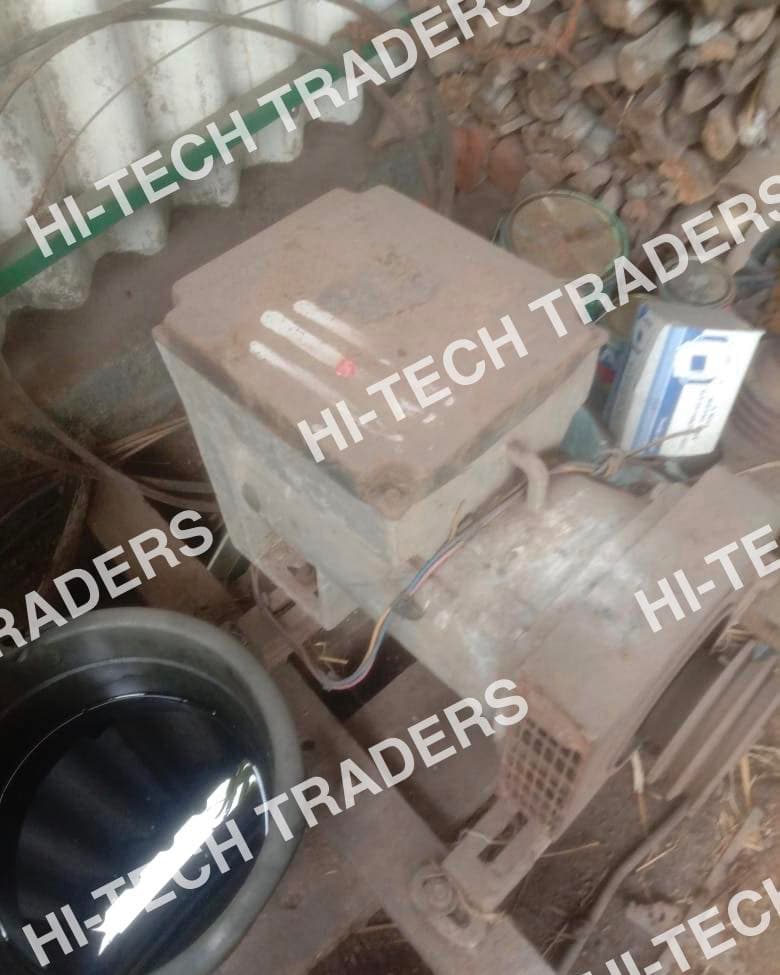
Diesel Genset 10 kVA – Kirloskar/Sergy Agro Engine Set
High-performance used 10 kVA Kirloskar / Sergy Agro diesel generator sets available for sale in Erod...